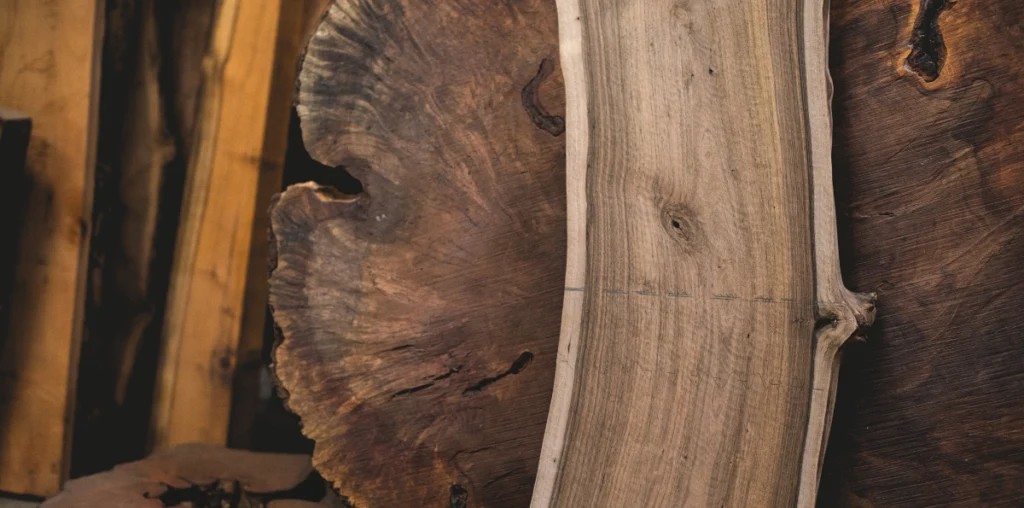
Connecting with today’s makers
through American hardwoods.
Thank you for selecting our proposal, AROUND THE WOOD. This document sets out the concrete plan for putting it into practice.
The core purpose of this Instagram is to build connections with today’s younger generation of makers through American hardwoods. In 2027, the events at Sakura Seisakusho, ORGATEC TOKYO, a summer woodworker project and DESIGNART TOKYO are linked to the program as opportunities to meet makers and share their work.
Alongside this, we will explore the eras these makers are drawn to, through a series that traces the history connecting woodwork in America and Japan — beginning with Sakura Seisakusho and George Nakashima.
A media platform that starts from American hardwoods
and connects with Japan’s architecture, furniture and design culture.
We will develop AHEC JAPAN’s Instagram as a platform that goes beyond timber information and activity reports, offering designers, architects, furniture makers and other creators opportunities for discovery and learning.
It will convey the richness and sustainability of American hardwood forests, bring to light their historical relationship with Japanese making, and lead into new projects with the next generation of creators.
Woodworkers, in the broadest sense
Furniture makers, craftspeople, designers, architects, artists: we see everyone who works with wood as a “woodworker” in the broadest sense.
Just as George Nakashima called himself a woodworker, these are people who bring real affection for wood to their work. Through that work, we will convey the appeal of American hardwoods.
Connecting the history of American and Japanese
woodworkers with today’s makers.
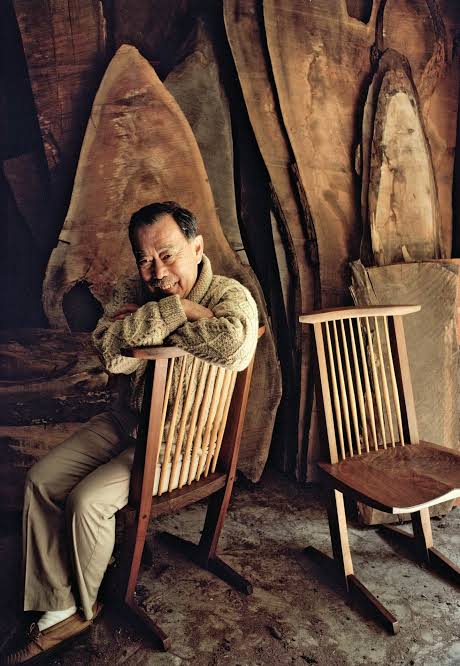
Exploring the eras that makers are drawn to is one way of building connections. We begin with George Nakashima (1905–1990), a Japanese-American woodworker. He worked in Antonin Raymond’s office in Tokyo before establishing his workshop in New Hope, Pennsylvania, and was known for his love of American black walnut.
Since 1964, Sakura Seisakusho in Takamatsu, Kagawa has been the only workshop outside New Hope to make Nakashima furniture. The relationship between AHEC, Nakashima and Sakura Seisakusho is both history and something that continues today.
The Imperial Hotel and Jiyu Gakuen Myonichikan: sites of American–Japanese collaboration.
Came to Japan with Wright and set up his office there, where Nakashima and Junzo Yoshimura trained.
Made furniture from American wood in New Hope. From 1964, with Sakura Seisakusho.
American hardwoods for the next 100 years of making.
Know the material, know the history, shape the future —
and share what is happening now.
The nature, sustainability, materials and culture of American hardwoods, re-edited from overseas AHEC materials.
A series exploring the history of American and Japanese woodworkers. In 2027, starting with Sakura Seisakusho and George Nakashima.
New possibilities explored with today’s younger generation of makers.
AHEC JAPAN’s activities, press releases and event announcements.
01 AMERICAN HARDWOOD STORIES
Introduces the richness and sustainability of American hardwood forests, the character of each species, the relationship between forests and people, and the history and culture of timber. Photos, films and research data from AHEC Europe’s Instagram and AHEC’s main website are re-edited for a Japanese audience.
- FOREST & NATUREForests, ecosystems, natural regeneration
- SUSTAINABILITYSustainable forest management, data
- WOOD SPECIESSpecies, grain, color, workability
- HISTORY & CULTUREForests and daily life, timber culture
- GLOBAL PROJECTSArchitecture and design worldwide
02 WOODWORKER ROOTS
A series tracing the people and places that have connected woodwork in America and Japan. In 2027 it starts from AHEC’s relationship with George Nakashima — both historical and ongoing.
- American black walnut, the wood Nakashima favored
- Sakura Seisakusho and its ties with Nakashima, covered in the greatest depth
- Using what we learn at Sakura Seisakusho to trace back to the origin: the New Hope workshop and George Nakashima Woodworkers
- In 2028, on to Antonin Raymond, widening the lineage toward Wright and Endo
Archive images are expected to be used with the cooperation of Sakura Seisakusho and George Nakashima Woodworkers.
03 NEW GENERATION
Explores new possibilities for American hardwoods through collaboration with today’s younger woodworkers, designers and architects. In 2027, built around the events, the stream follows the process from material selection through making to exhibition.
- CREATOR STORIESIntroducing the makers
- MATERIALChoosing species and materials
- PROCESSSketches, prototypes, making
- EXHIBITIONFinished works, exhibitions, visitors
04 AHEC JAPAN
A stream that shares AHEC JAPAN’s current activities as they happen.
- Reports on AHEC JAPAN’s activities
- Press releases
- Event announcements
5 posts a month, 60 a year.
The base ratio is 01 : 02 : 03 : 04 = 2 : 1 : 1 : 1. Within 60 posts a year, the balance is adjusted, for example by increasing streams 03 and 04 around events.
Carousel posts of photos and text are the basic format, with film and interviews as well. A shared visual format will be developed so the four streams read as one on Instagram.
| Stream | Posts / year | Share | Method |
|---|---|---|---|
| 01 STORIES | 24 | 40% | Re-editing existing overseas AHEC materials |
| 02 ROOTS | 12 | 20% | Interviews, archive photos |
| 03 NEW GENERATION | 12 | 20% | Coverage of events and making processes |
| 04 AHEC JAPAN | 12 | 20% | Activity reports, releases, event announcements |
Four events in 2027, meeting today’s makers.
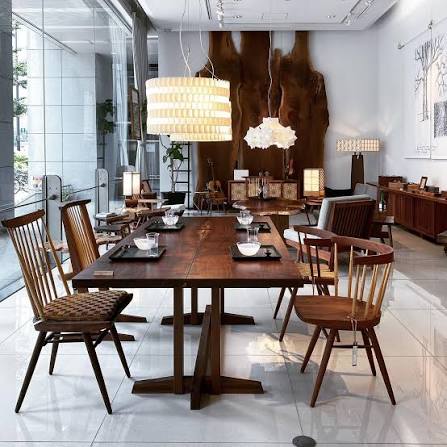
Sakura Seisakusho × RePly
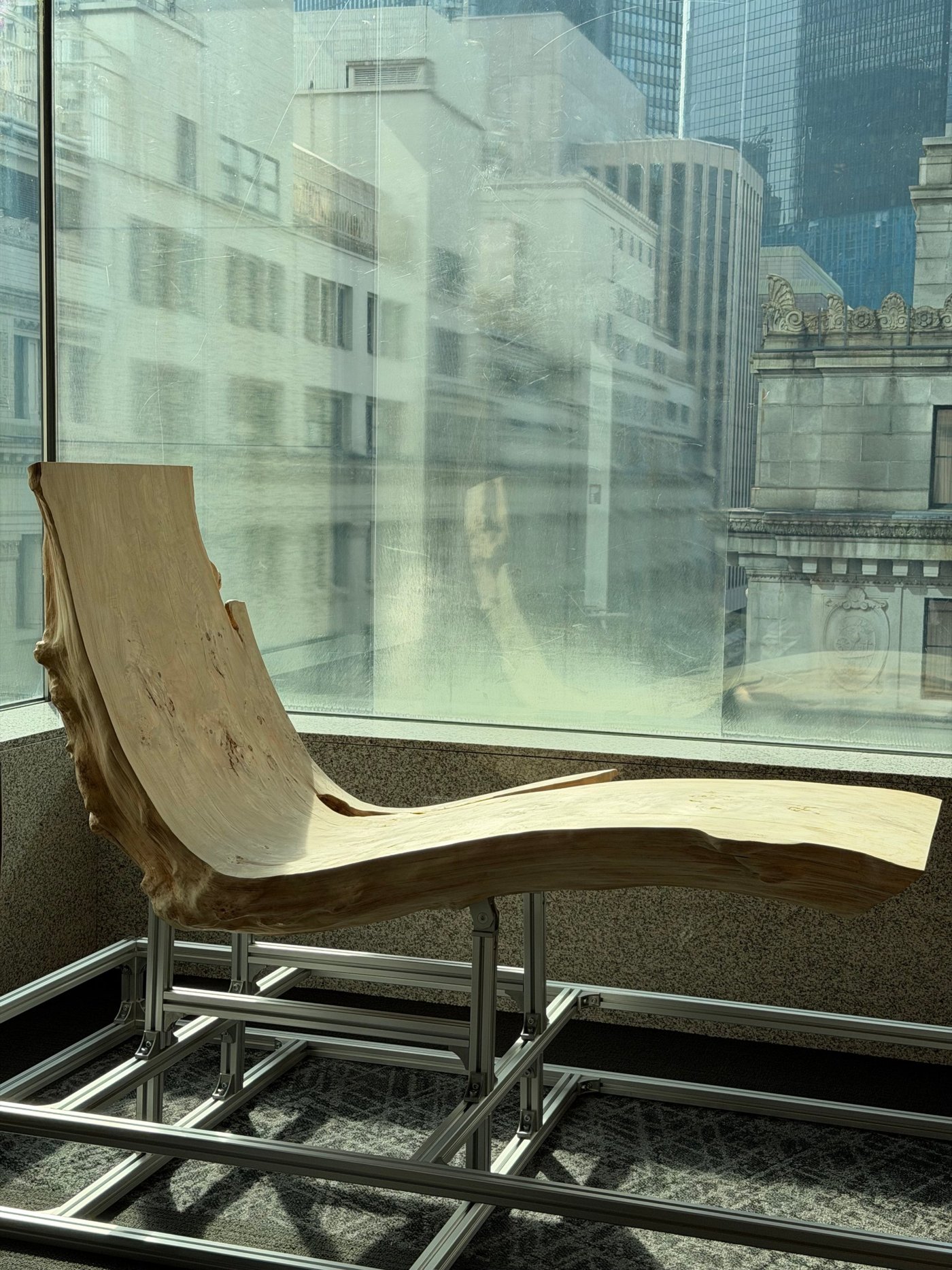
After covering the relationship between Sakura Seisakusho and George Nakashima in February, we introduce new expression from RePly, a design team based in Shizuoka, at Sakura Seisakusho’s showroom.
Given the relationship that dates back to Nakashima, holding an American hardwood event at Sakura Seisakusho is a natural step. By making a chair in American hardwood, the project shows the appeal of the material and the possibilities of making across generations.
Sakura Seisakusho is covered in February, RePly’s making process in March, and the exhibition in April — the first major milestone, linking 02 WOODWORKER ROOTS and 03 NEW GENERATION.
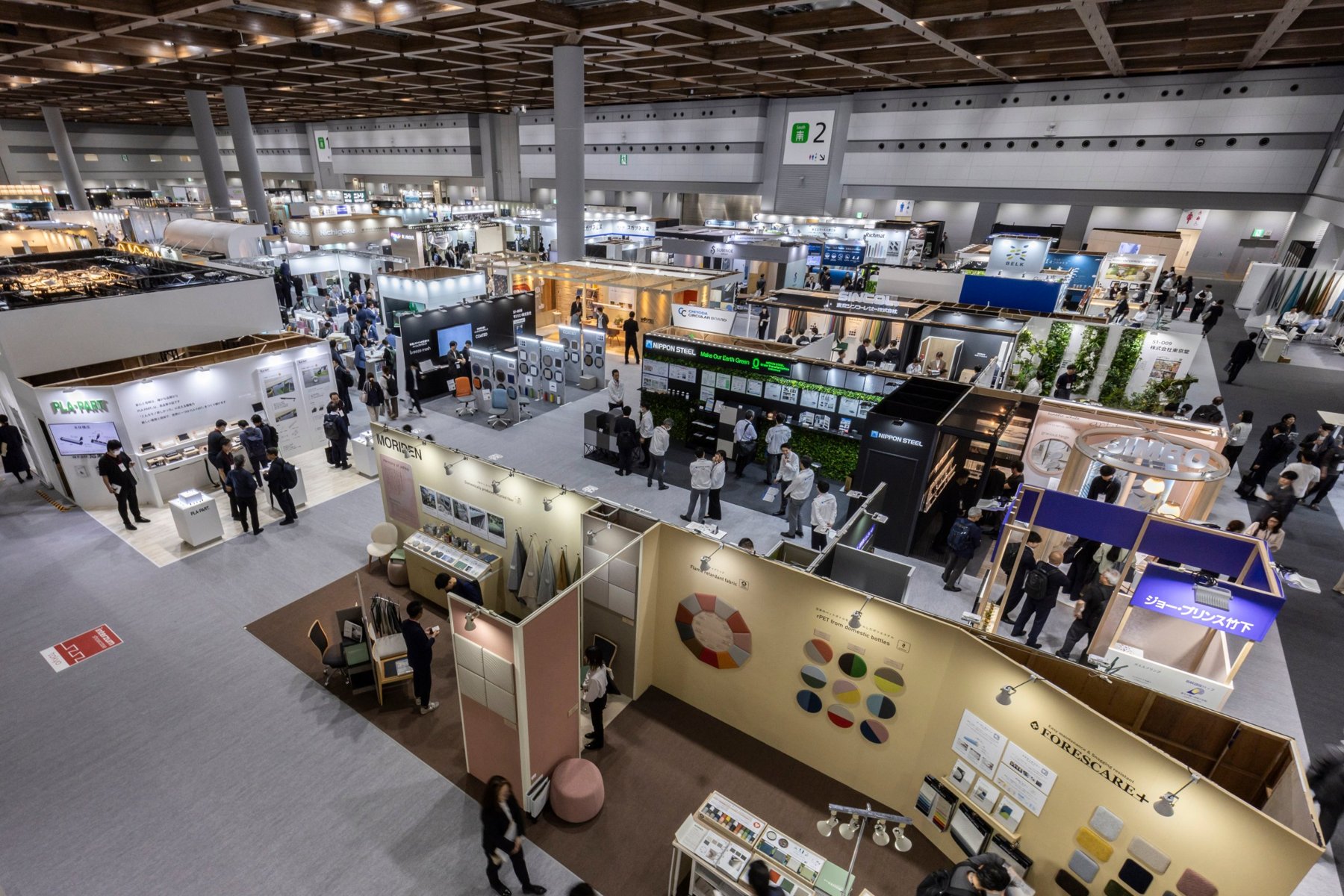
ORGATEC TOKYO
An exhibition space that presents American hardwood species and film content in a fresh, engaging way. Combining a film screening with a material display, it conveys the potential and sustainability of the timber. A booth of around 24 m² would be enough to create a meaningful experience.
The making process and the film release in May, and the booth in June. Beyond furniture, posts show how the material extends into architecture and interiors: finishes, walls and ceilings.
WOODWORKER
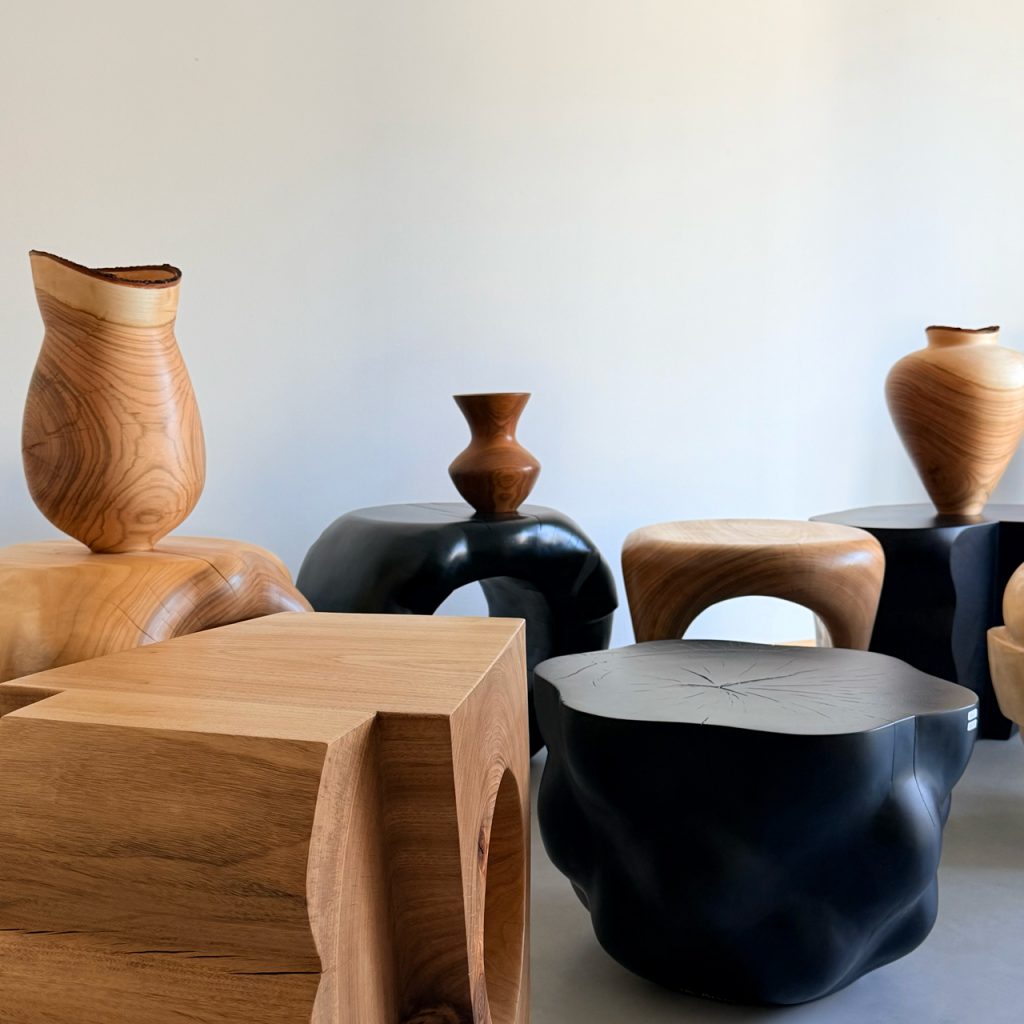
A project in which Japanese woodworkers create works in American hardwood, alongside works by American woodworkers shown in Japan.
Candidates are Shoji Morinaga and Jin Akihiro of Akihiro Woodworks, both based in Kagoshima. We are also considering adding one person from furniture or architecture, such as Wataru Kumano or Koichi Futatsumata, with George Peterson among the American makers under consideration. We are considering Sakura Seisakusho as the main venue, while exploring other options.
The making process in July and the exhibition in August, introducing makers who bring affection for wood to their work, from both Japan and America.
DESIGNART TOKYO × Mitre & Mondays
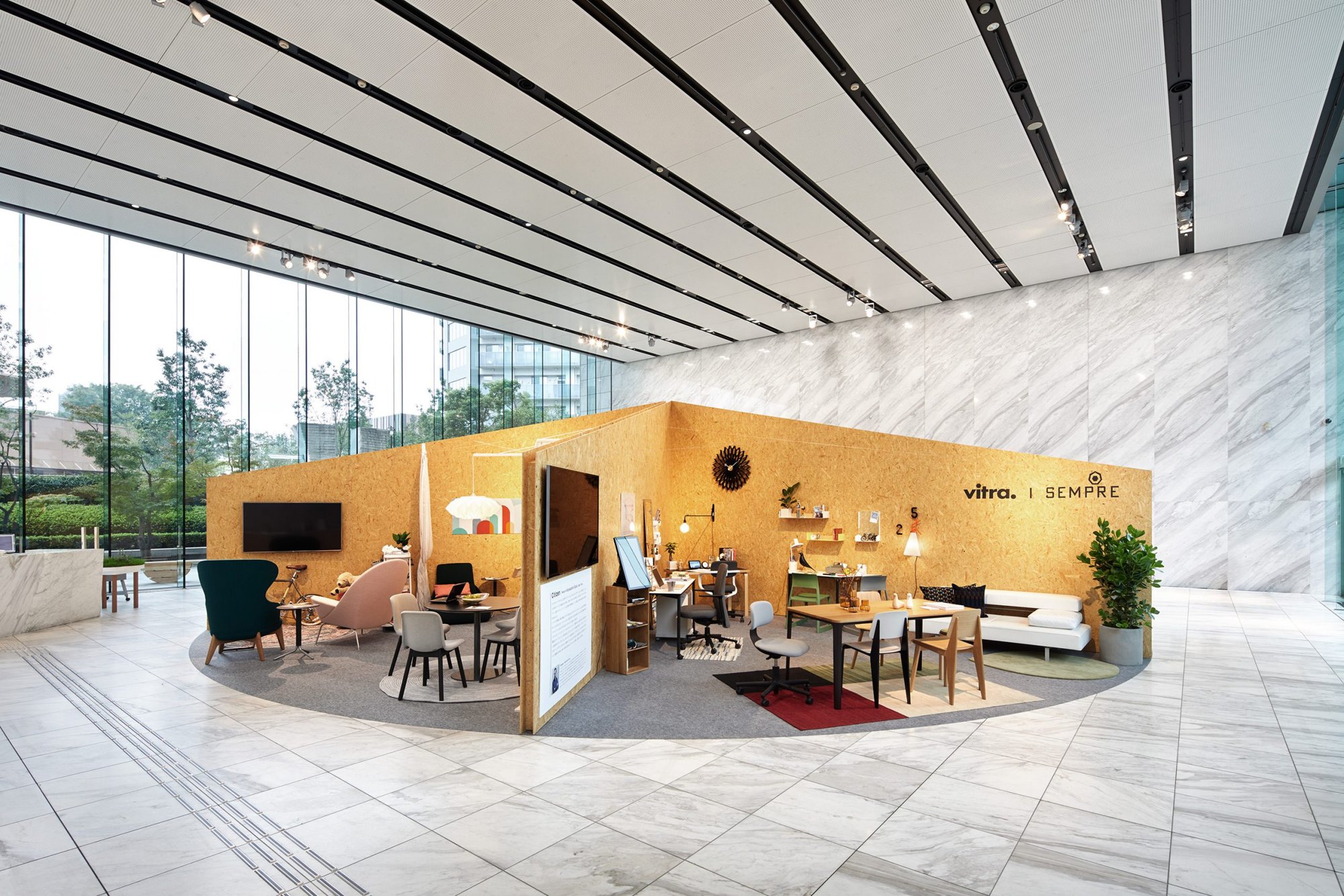
We are considering bringing “Wood for the Trees” — the installation AHEC presented at 3daysofdesign in Copenhagen and Shoreditch Design Week in London — to DESIGNART TOKYO, together with Mitre & Mondays, the London studio that designed it.
We would work closely with AHEC headquarters to maintain consistency in the creative approach, including the film content, while exploring how a Japan-based designer could contribute.
Introducing Wood for the Trees and Mitre & Mondays in September, making in Japan in October and the exhibition in November — the project that closes the year.
Details, venues, dates and participation conditions for each project will be finalized through further discussion.
Four projects, built up
while tracing history.
Introducing today’s makers within the context of history
Extending the material experience into architecture and interiors
Connecting woodworkers from Japan and America
Bringing an installation from overseas to Japan’s design community
The 02 WOODWORKER ROOTS series runs throughout the year, and each event is built into content from the preparation stage rather than ending as a one-off — so that meeting today’s makers, and the history behind them, are told as one story.
Starting at Sakura Seisakusho,
arriving in New Hope at year’s end.
| Period | Type | Content |
|---|---|---|
| 2026.11–12 | PREPARATION | Confirm direction, collect existing materials, develop the visual format, approach interviewees |
| 2027.01 | LAUNCH | Launch of AROUND THE WOOD, introducing the four streams |
| 2027.02 | ROOTS | Coverage of Sakura Seisakusho: the journey begins with its ties to George Nakashima |
| 2027.03 | PROCESS | RePly: the making process |
| 2027.04 | EVENT | Sakura Seisakusho × RePly |
| 2027.05 | PROCESS | ORGATEC TOKYO: the making process; film release |
| 2027.06 | EVENT | ORGATEC TOKYO |
| 2027.07 | PROCESS | Shoji Morinaga × Jin Akihiro and others: the making process |
| 2027.08 | EVENT | Sakura Seisakusho × Shoji Morinaga × Jin Akihiro and others |
| 2027.09 | STORIES | Introducing Wood for the Trees and Mitre & Mondays |
| 2027.10 | PROCESS | Wood for the Trees in Japan: the making process |
| 2027.11 | EVENT | DESIGNART TOKYO × Mitre & Mondays |
| 2027.12 | ROOTS | A proposed visit to George Nakashima Woodworkers in New Hope, Pennsylvania, together with participating creators DREAM PLAN |
An event at Jiyu Gakuen Myonichikan,
a site of American–Japanese design collaboration.
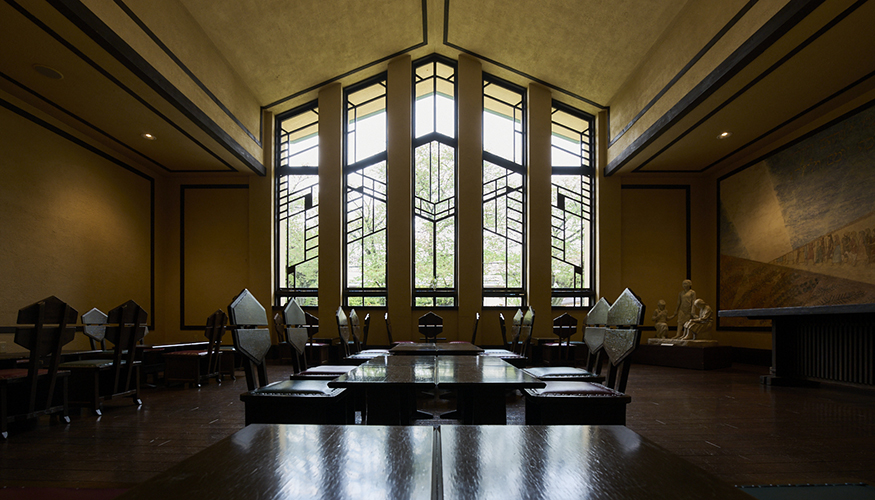
Jiyu Gakuen Myonichikan was designed by Frank Lloyd Wright and his disciple Arata Endo. Built as the school building of Jiyu Gakuen, founded in 1921, it is an Important Cultural Property of Japan. As a model of “dynamic preservation” — conserving a building by continuing to use it — it still hosts events, fashion shows and concerts.
We propose an event here, in a place born from collaboration between an American architect and a Japanese architect, to show the relationship between American hardwoods and Japanese making.
As the starting point of the lineage that runs from Wright to Raymond and Nakashima, it also connects with the 02 WOODWORKER ROOTS series.
Screening, Talk and Reception
We are looking for a venue that can host a talk and reception alongside a film screening. Candidates are Innovation Field Yaesu (5F) at Tokyo Midtown Yaesu — easy to reach from other regions and able to combine screening, exhibition and networking — and Jiyu Gakuen Myonichikan.
We would also like to discuss whether to hold it as a standalone event or align it with DESIGNART TOKYO or a similar event.
A collaboration with Yuma Kano (NOU)
We continue to consider a collaboration with Yuma Kano using American hardwoods.
We would like to discuss the timing and form — whether through involvement in Wood for the Trees in Japan at DESIGNART TOKYO, or in a project from 2028 onward.
Editing and operation, overall direction, art direction.
RCKT / Rocket Company*
Founded in 1999. A creative production company rooted in fashion and wider culture, working across fields. Its work includes planning and producing advertising and events, editing magazines and books, coordinating and casting creators, and consulting. In 2026, a project produced by RCKT received the Tokyo ADC Grand Prix.
Responsible for Instagram editorial planning, interviews, photography, writing and day-to-day operation, as well as event planning and production and coordination of creators.
HALU
Responsible for overall direction, program development and building the domestic network.
Junya Handa
A film director focused on concept-driven work, including advertising, brand films and music videos. He is involved from planning and direction through shooting and editing, bringing each brand’s world to life on film. His career began in graphic design for the fashion brand N.HOOLYWOOD, and drawing on that experience, he also works as an art director. Alongside film, he designs key visuals and graphics.
Responsible for art direction, design and visual direction across the program, including Instagram.
RePly
A project by product designer Yu Matsuda, artist Nobuaki Sato, woodcrafter Katsuhisa Toda, who makes sashimono furniture, and graphic designer Ayuko Kuwata, all based within a 50 km radius in western Shizuoka Prefecture.
Coming to wood and making from four different fields — design, art, woodcraft and graphics — the members bring their perspectives together in each piece they create.
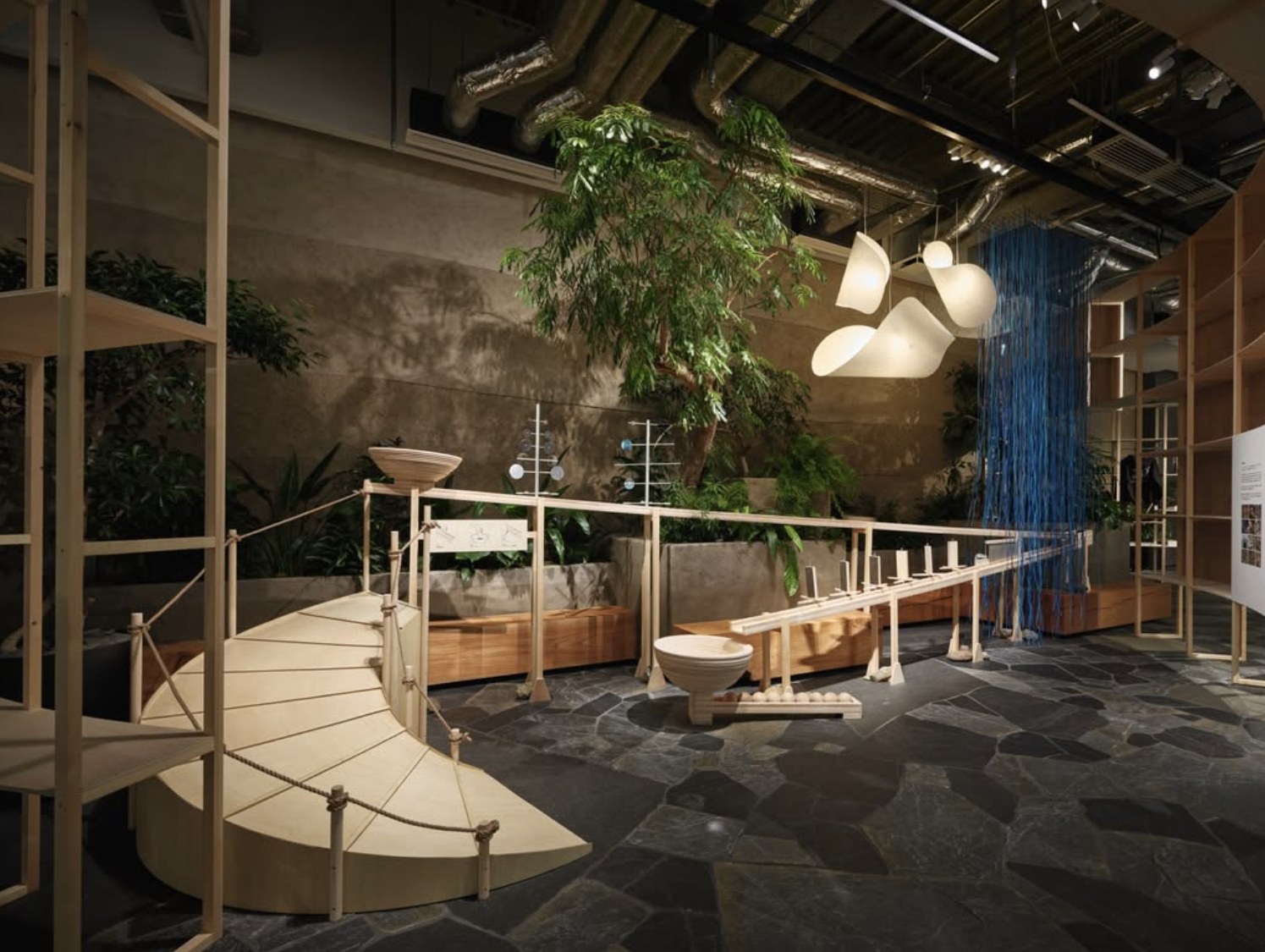
O.A. (OVER ALL) Hyota Nakamura
Leads O.A. (OVER ALL), a design collective that brings together a diverse group of spatial designers. Through collaboration with designers and artists, it creates new forms of expression and culture that cross disciplinary boundaries.
After serving as director of the gallery ROCKET in Omotesando, he went independent in 2014. His work cuts across planning, space and art: spatial design for exhibitions, shops and shop windows; curation of art events; prop styling; and event production. In 2026 he was also involved in “NEVER STOP EXPLORING EXHIBITION,” THE NORTH FACE’s 60th anniversary exhibition. Since 2015, he has been creative director of “Kazoku,” an annual publication on the theme of family.
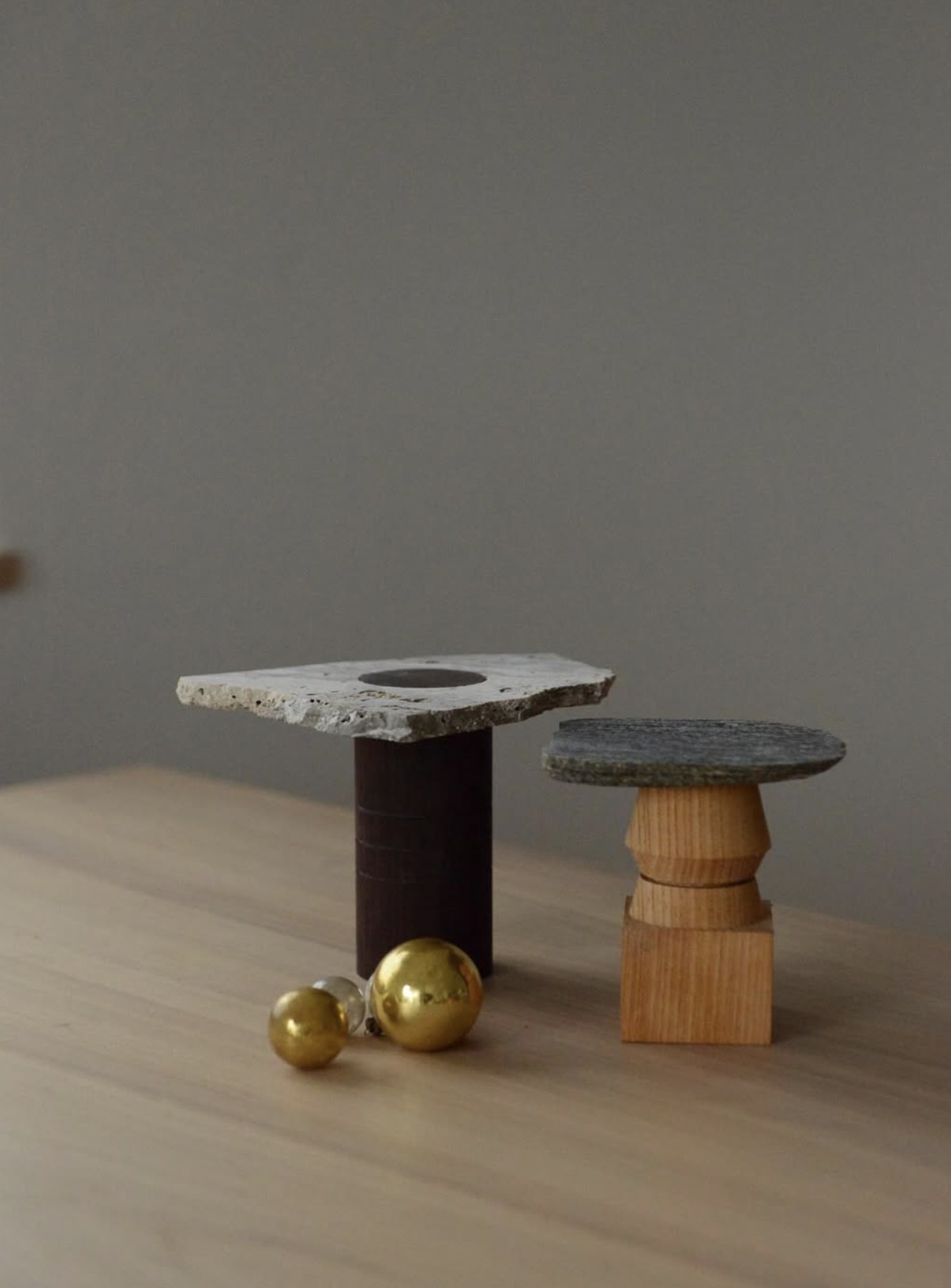
Atelier matic Sho Sotoyama
Founded matic in 2012. His work spans store design, venue design for exhibitions and events, and display design including shop windows for PARCO and Tokyo Midtown.
Alongside this, he creates works that combine natural materials such as marble, minerals and soil with acrylic and resin. His work has been shown at the Tokyo Metropolitan Art Museum’s “Isamu Noguchi: Ways of Discovery,” in a collaboration with agnès b., and at the “1000vases” exhibitions in Paris and Milan, and he took part in DESIGNART TOKYO 2025. He also works to promote Akiu stone from Sendai, Miyagi.
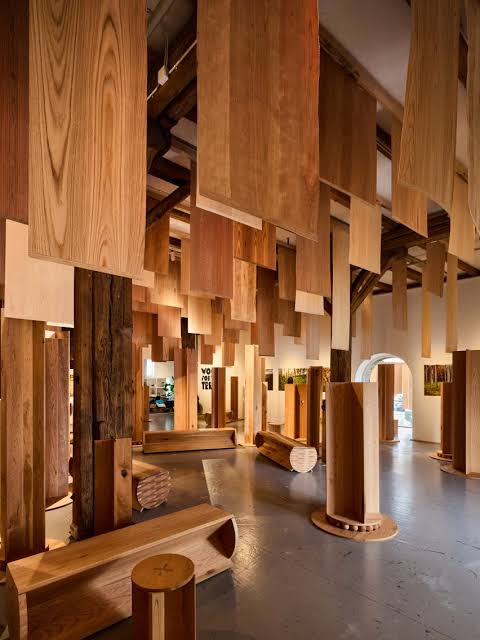
Mitre & Mondays
A London-based studio designing and making objects and spaces that connect people to the material world around them, with a focus on social and environmental impact, regenerative materials, and design for disassembly and repair.
With British furniture maker Benchmark, they created the installation “Wood for the Trees” for AHEC, shown in 2026 at 3daysofdesign in Copenhagen and Shoreditch Design Week in London.
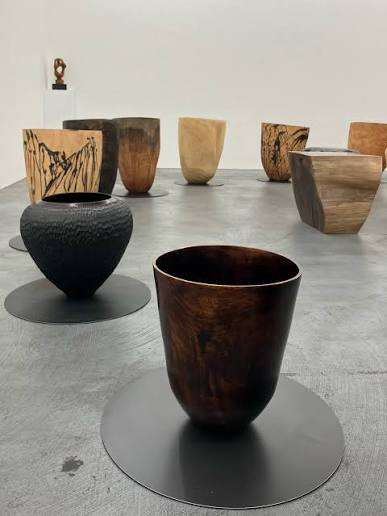
Shoji Morinaga
Born in 1976 in Kagoshima. After working as a carpenter and furniture maker, he opened his workshop Crate in Hioki, Kagoshima in 2007. Self-taught in woodturning, he makes bowls and objects that bring out the character of each grain. In 2011 he assisted the American sculptor Alma Allen in his studio.
Akihiro Woodworks Jin Akihiro
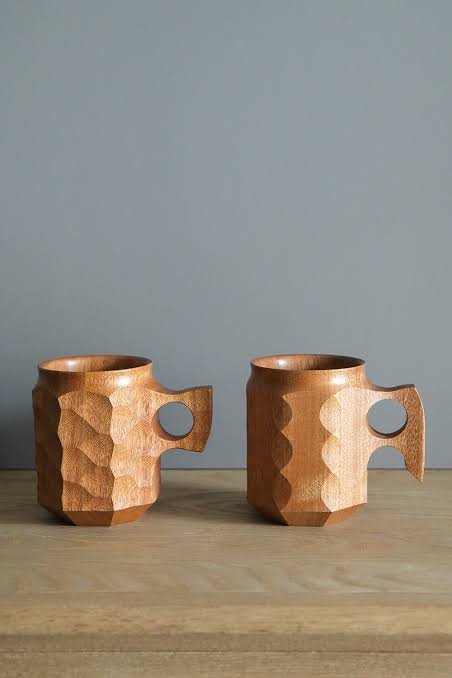
A woodworking group based in Kagoshima. The jincup began in 2007 as a cup Jin Akihiro carved as a gift for his mother; each is carved from local tabunoki wood dried over several years. The group works in Japan and abroad, including collaborations with Blue Bottle Coffee and exhibitions in Paris and New York.
George Peterson
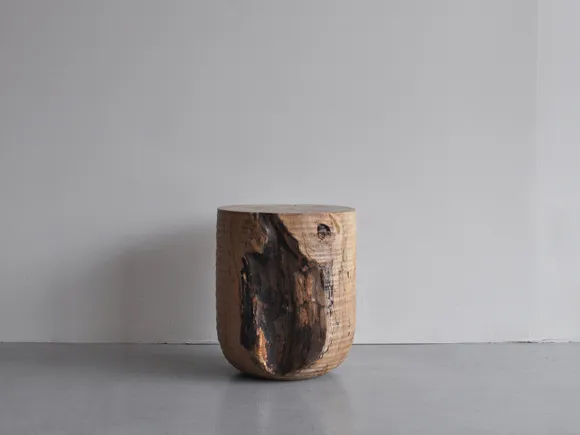
An American woodturner who taught himself woodworking and sculpture from 1992. He runs the studio Circle Factory in North Carolina, making lathe-turned bowls and stools as well as sculptures from used skateboards, and has held several solo exhibitions in Tokyo.
Wataru Kumano
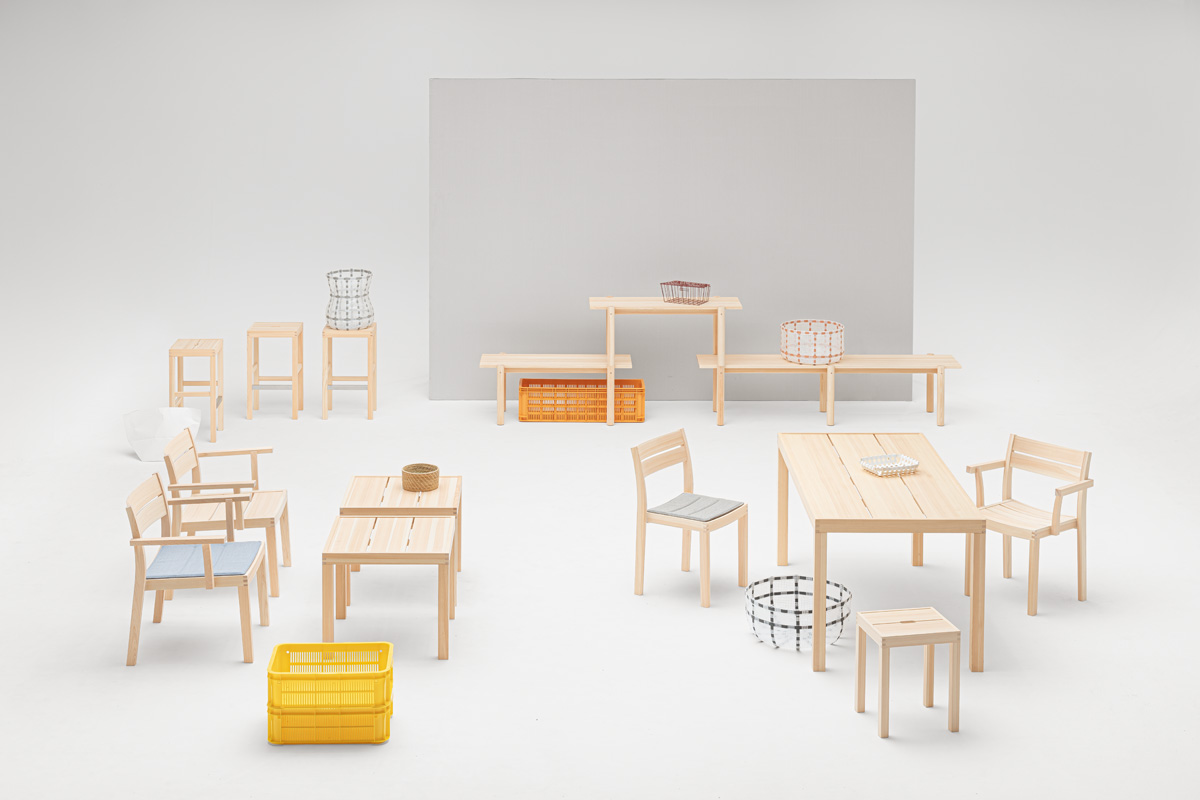
Born in Tokyo in 1980. Studied furniture design in Finland at Lahti Polytechnic and the University of Art and Design Helsinki (now Aalto University). After returning to Japan in 2008 he worked as a designer at Jasper Morrison’s Tokyo studio, and founded his own studio, kumano, in 2011, working on interior, furniture and product design internationally. In 2019 he created furniture with Takayama makers in an AHEC project. Associate professor at Musashino Art University.
Koichi Futatsumata
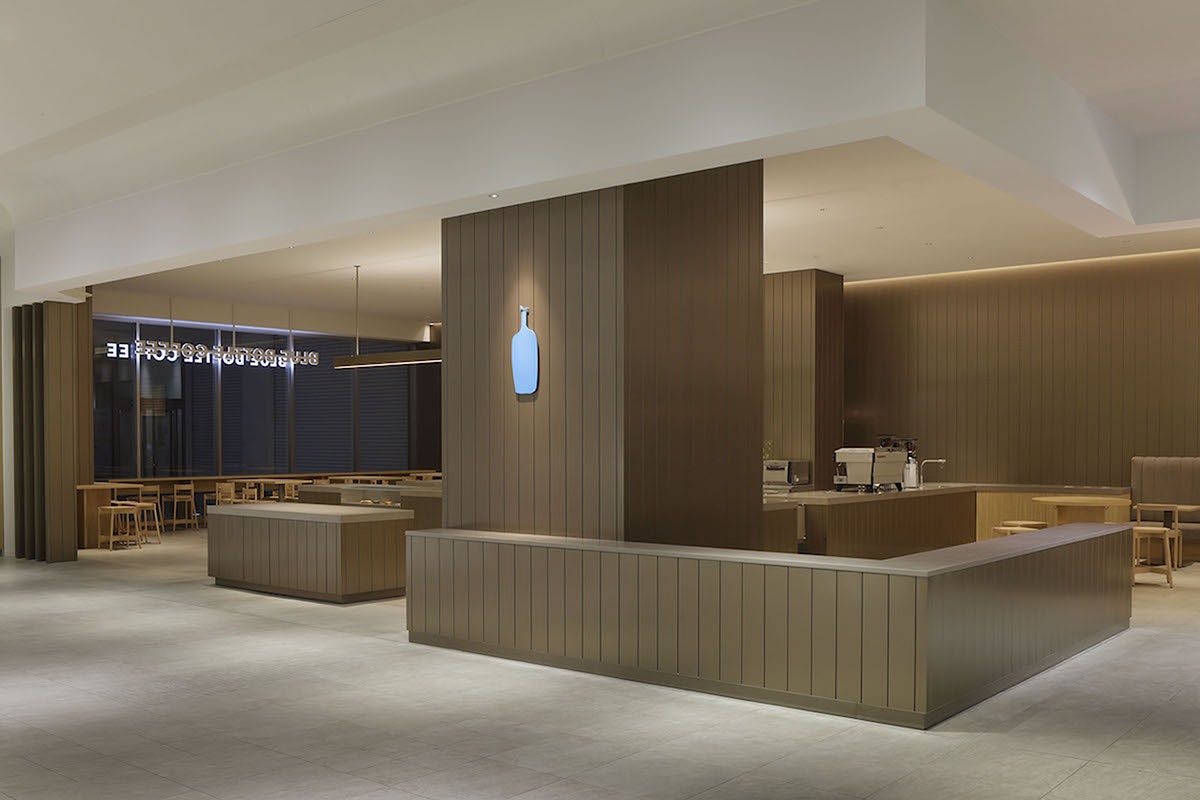
Born in Kagoshima and based in Fukuoka and Tokyo. He leads CASE-REAL, designing spaces and architecture, and KOICHI FUTATSUMATA STUDIO for product and object design. Alongside spatial design for shops, homes and restaurants across Japan, he also designs furniture.
NOU Yuma Kano
Born in 1988. Graduated from the Department of Design at Tokyo Zokei University. Went independent after working as an assistant to the artist Yasuhiro Suzuki. From a studio in a former shipyard, he works on product design, brand direction, interiors and artwork.
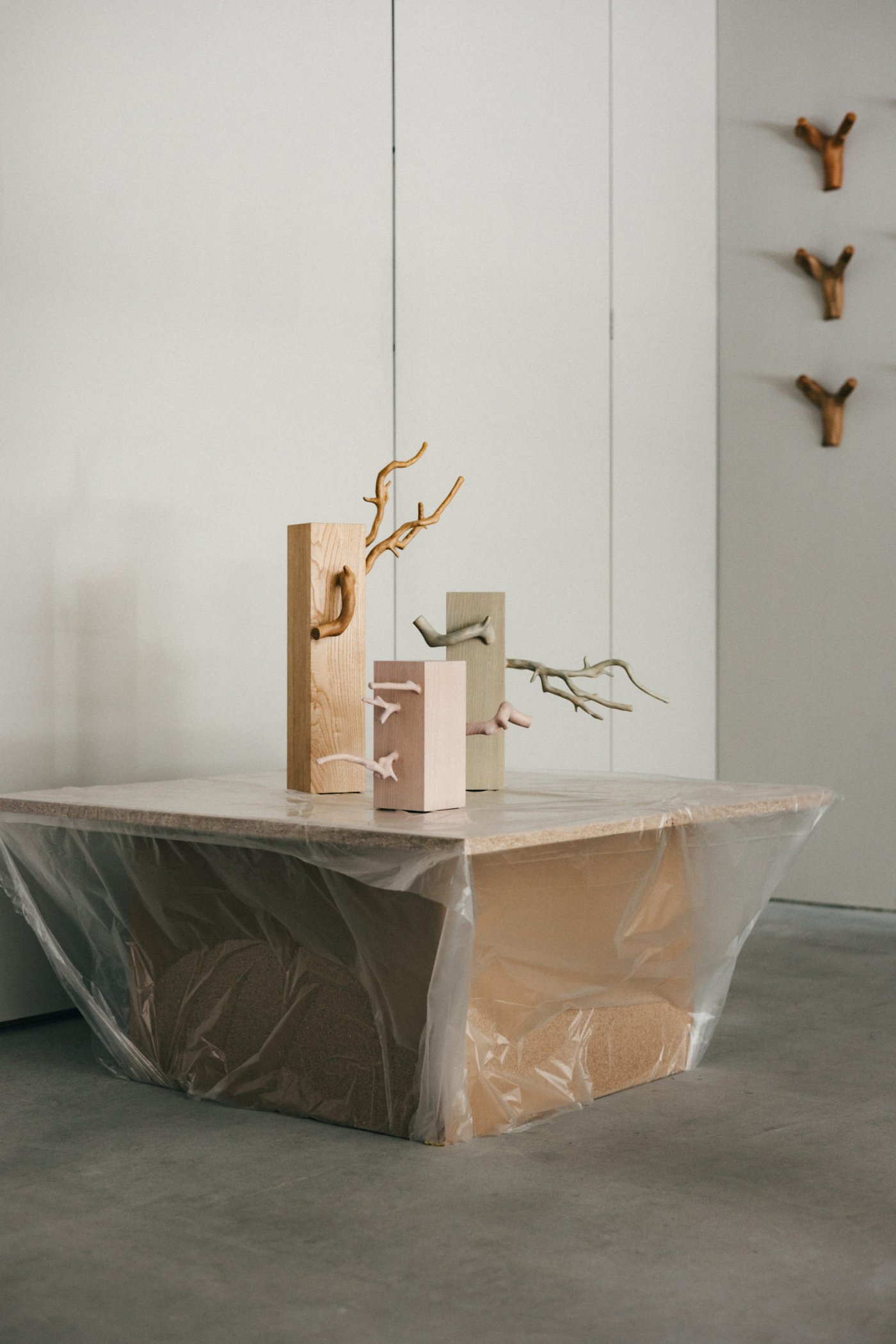
He developed “Rust Harvest,” which transfers rust grown on metal onto acrylic, and “ForestBank,” a material made by binding forest resources not used for building or furniture — small-diameter trees, branches, leaves, bark and soil — in a water-based acrylic resin and then cutting it. In 2023 he presented “TOUCH WOOD” with Eindhoven-based designer Sho Ota at ALCOVA during Milan Design Week, followed in 2026 by “TOUCH WOOD 2” in cooperation with Karimoku Furniture. Awards include the Good Design Award, the IFFT Young Designer Award and the German Design Award.
2028 and beyond — exploring future directions.
In its second year, WOODWORKER ROOTS traces the lineage back to Antonin Raymond, in whose office Nakashima trained.
The themes and direction for 2028 will be further explored based on audience interests, opportunities for collaboration, and their relevance to American hardwoods.
Raymond came to Japan with Wright and left many buildings here; Nakashima and Junzo Yoshimura both trained in his office. We will follow the work of makers who connected America and Japan, from both the woodworker’s and the architect’s side.
The HERITAGE series continues by visiting modern-era makers and those who know their work, and listening to their stories.
Knowing American hardwoods
opens new possibilities for design.
We will grow AHEC JAPAN’s Instagram into a platform that moves from sharing knowledge, to connecting people, to new creative work.
Connecting with today’s makers
through American hardwoods.
Thank you for selecting our proposal, AROUND THE WOOD. This document sets out the concrete plan for putting it into practice.
The core purpose of this Instagram is to build connections with today’s younger generation of makers through American hardwoods. In 2027, the events at Sakura Seisakusho, ORGATEC TOKYO, a summer woodworker project and DESIGNART TOKYO are linked to the program as opportunities to meet makers and share their work.
Alongside this, we will explore the eras these makers are drawn to, through a series that traces the history connecting woodwork in America and Japan — beginning with Sakura Seisakusho and George Nakashima.
A media platform that starts from American hardwoods
and connects with Japan’s architecture, furniture and design culture.
We will develop AHEC JAPAN’s Instagram as a platform that goes beyond timber information and activity reports, offering designers, architects, furniture makers and other creators opportunities for discovery and learning.
It will convey the richness and sustainability of American hardwood forests, bring to light their historical relationship with Japanese making, and lead into new projects with the next generation of creators.
Woodworkers, in the broadest sense
Furniture makers, craftspeople, designers, architects, artists: we see everyone who works with wood as a “woodworker” in the broadest sense.
Just as George Nakashima called himself a woodworker, these are people who bring real affection for wood to their work. Through that work, we will convey the appeal of American hardwoods.
Connecting the history of American and Japanese
woodworkers with today’s makers.
Exploring the eras that makers are drawn to is one way of building connections. We begin with George Nakashima (1905–1990), a Japanese-American woodworker. He worked in Antonin Raymond’s office in Tokyo before establishing his workshop in New Hope, Pennsylvania, and was known for his love of American black walnut.
Since 1964, Sakura Seisakusho in Takamatsu, Kagawa has been the only workshop outside New Hope to make Nakashima furniture. The relationship between AHEC, Nakashima and Sakura Seisakusho is both history and something that continues today.
The Imperial Hotel and Jiyu Gakuen Myonichikan: sites of American–Japanese collaboration.
Came to Japan with Wright and set up his office there, where Nakashima and Junzo Yoshimura trained.
Made furniture from American wood in New Hope. From 1964, with Sakura Seisakusho.
American hardwoods for the next 100 years of making.
Know the material, know the history, shape the future —
and share what is happening now.
The nature, sustainability, materials and culture of American hardwoods, re-edited from overseas AHEC materials.
A series exploring the history of American and Japanese woodworkers. In 2027, starting with Sakura Seisakusho and George Nakashima.
New possibilities explored with today’s younger generation of makers.
AHEC JAPAN’s activities, press releases and event announcements.
01 AMERICAN HARDWOOD STORIES
Introduces the richness and sustainability of American hardwood forests, the character of each species, the relationship between forests and people, and the history and culture of timber. Photos, films and research data from AHEC Europe’s Instagram and AHEC’s main website are re-edited for a Japanese audience.
- FOREST & NATUREForests, ecosystems, natural regeneration
- SUSTAINABILITYSustainable forest management, data
- WOOD SPECIESSpecies, grain, color, workability
- HISTORY & CULTUREForests and daily life, timber culture
- GLOBAL PROJECTSArchitecture and design worldwide
02 WOODWORKER ROOTS
A series tracing the people and places that have connected woodwork in America and Japan. In 2027 it starts from AHEC’s relationship with George Nakashima — both historical and ongoing.
- American black walnut, the wood Nakashima favored
- Sakura Seisakusho and its ties with Nakashima, covered in the greatest depth
- Using what we learn at Sakura Seisakusho to trace back to the origin: the New Hope workshop and George Nakashima Woodworkers
- In 2028, on to Antonin Raymond, widening the lineage toward Wright and Endo
Archive images are expected to be used with the cooperation of Sakura Seisakusho and George Nakashima Woodworkers.
03 NEW GENERATION
Explores new possibilities for American hardwoods through collaboration with today’s younger woodworkers, designers and architects. In 2027, built around the events, the stream follows the process from material selection through making to exhibition.
- CREATOR STORIESIntroducing the makers
- MATERIALChoosing species and materials
- PROCESSSketches, prototypes, making
- EXHIBITIONFinished works, exhibitions, visitors
04 AHEC JAPAN
A stream that shares AHEC JAPAN’s current activities as they happen.
- Reports on AHEC JAPAN’s activities
- Press releases
- Event announcements
5 posts a month, 60 a year.
The base ratio is 01 : 02 : 03 : 04 = 2 : 1 : 1 : 1. Within 60 posts a year, the balance is adjusted, for example by increasing streams 03 and 04 around events.
Carousel posts of photos and text are the basic format, with film and interviews as well. A shared visual format will be developed so the four streams read as one on Instagram.
| Stream | Posts / year | Share | Method |
|---|---|---|---|
| 01 STORIES | 24 | 40% | Re-editing existing overseas AHEC materials |
| 02 ROOTS | 12 | 20% | Interviews, archive photos |
| 03 NEW GENERATION | 12 | 20% | Coverage of events and making processes |
| 04 AHEC JAPAN | 12 | 20% | Activity reports, releases, event announcements |
Four events in 2027, meeting today’s makers.
Sakura Seisakusho × RePly
After covering the relationship between Sakura Seisakusho and George Nakashima in February, we introduce new expression from RePly, a design team based in Shizuoka, at Sakura Seisakusho’s showroom.
Given the relationship that dates back to Nakashima, holding an American hardwood event at Sakura Seisakusho is a natural step. By making a chair in American hardwood, the project shows the appeal of the material and the possibilities of making across generations.
Sakura Seisakusho is covered in February, RePly’s making process in March, and the exhibition in April — the first major milestone, linking 02 WOODWORKER ROOTS and 03 NEW GENERATION.
ORGATEC TOKYO
An exhibition space that presents American hardwood species and film content in a fresh, engaging way. Combining a film screening with a material display, it conveys the potential and sustainability of the timber. A booth of around 24 m² would be enough to create a meaningful experience.
The making process and the film release in May, and the booth in June. Beyond furniture, posts show how the material extends into architecture and interiors: finishes, walls and ceilings.
WOODWORKER
A project in which Japanese woodworkers create works in American hardwood, alongside works by American woodworkers shown in Japan.
Candidates are Shoji Morinaga and Jin Akihiro of Akihiro Woodworks, both based in Kagoshima. We are also considering adding one person from furniture or architecture, such as Wataru Kumano or Koichi Futatsumata, with George Peterson among the American makers under consideration. We are considering Sakura Seisakusho as the main venue, while exploring other options.
The making process in July and the exhibition in August, introducing makers who bring affection for wood to their work, from both Japan and America.
DESIGNART TOKYO × Mitre & Mondays
We are considering bringing “Wood for the Trees” — the installation AHEC presented at 3daysofdesign in Copenhagen and Shoreditch Design Week in London — to DESIGNART TOKYO, together with Mitre & Mondays, the London studio that designed it.
We would work closely with AHEC headquarters to maintain consistency in the creative approach, including the film content, while exploring how a Japan-based designer could contribute.
Introducing Wood for the Trees and Mitre & Mondays in September, making in Japan in October and the exhibition in November — the project that closes the year.
Details, venues, dates and participation conditions for each project will be finalized through further discussion.
Four projects, built up
while tracing history.
Introducing today’s makers within the context of history
Extending the material experience into architecture and interiors
Connecting woodworkers from Japan and America
Bringing an installation from overseas to Japan’s design community
The 02 WOODWORKER ROOTS series runs throughout the year, and each event is built into content from the preparation stage rather than ending as a one-off — so that meeting today’s makers, and the history behind them, are told as one story.
Starting at Sakura Seisakusho,
arriving in New Hope at year’s end.
| Period | Type | Content |
|---|---|---|
| 2026.11–12 | PREPARATION | Confirm direction, collect existing materials, develop the visual format, approach interviewees |
| 2027.01 | LAUNCH | Launch of AROUND THE WOOD, introducing the four streams |
| 2027.02 | ROOTS | Coverage of Sakura Seisakusho: the journey begins with its ties to George Nakashima |
| 2027.03 | PROCESS | RePly: the making process |
| 2027.04 | EVENT | Sakura Seisakusho × RePly |
| 2027.05 | PROCESS | ORGATEC TOKYO: the making process; film release |
| 2027.06 | EVENT | ORGATEC TOKYO |
| 2027.07 | PROCESS | Shoji Morinaga × Jin Akihiro and others: the making process |
| 2027.08 | EVENT | Sakura Seisakusho × Shoji Morinaga × Jin Akihiro and others |
| 2027.09 | STORIES | Introducing Wood for the Trees and Mitre & Mondays |
| 2027.10 | PROCESS | Wood for the Trees in Japan: the making process |
| 2027.11 | EVENT | DESIGNART TOKYO × Mitre & Mondays |
| 2027.12 | ROOTS | A proposed visit to George Nakashima Woodworkers in New Hope, Pennsylvania, together with participating creators DREAM PLAN |
An event at Jiyu Gakuen Myonichikan,
a site of American–Japanese design collaboration.
Jiyu Gakuen Myonichikan was designed by Frank Lloyd Wright and his disciple Arata Endo. Built as the school building of Jiyu Gakuen, founded in 1921, it is an Important Cultural Property of Japan. As a model of “dynamic preservation” — conserving a building by continuing to use it — it still hosts events, fashion shows and concerts.
We propose an event here, in a place born from collaboration between an American architect and a Japanese architect, to show the relationship between American hardwoods and Japanese making.
As the starting point of the lineage that runs from Wright to Raymond and Nakashima, it also connects with the 02 WOODWORKER ROOTS series.
Screening, Talk and Reception
We are looking for a venue that can host a talk and reception alongside a film screening. Candidates are Innovation Field Yaesu (5F) at Tokyo Midtown Yaesu — easy to reach from other regions and able to combine screening, exhibition and networking — and Jiyu Gakuen Myonichikan.
We would also like to discuss whether to hold it as a standalone event or align it with DESIGNART TOKYO or a similar event.
A collaboration with Yuma Kano (NOU)
We continue to consider a collaboration with Yuma Kano using American hardwoods.
We would like to discuss the timing and form — whether through involvement in Wood for the Trees in Japan at DESIGNART TOKYO, or in a project from 2028 onward.
Editing and operation, overall direction, art direction.
RCKT / Rocket Company*
Founded in 1999. A creative production company rooted in fashion and wider culture, working across fields. Its work includes planning and producing advertising and events, editing magazines and books, coordinating and casting creators, and consulting. In 2026, a project produced by RCKT received the Tokyo ADC Grand Prix.
Responsible for Instagram editorial planning, interviews, photography, writing and day-to-day operation, as well as event planning and production and coordination of creators.
HALU
Responsible for overall direction, program development and building the domestic network.
Junya Handa
A film director focused on concept-driven work, including advertising, brand films and music videos. He is involved from planning and direction through shooting and editing, bringing each brand’s world to life on film. His career began in graphic design for the fashion brand N.HOOLYWOOD, and drawing on that experience, he also works as an art director. Alongside film, he designs key visuals and graphics.
Responsible for art direction, design and visual direction across the program, including Instagram.
RePly
A project by product designer Yu Matsuda, artist Nobuaki Sato, woodcrafter Katsuhisa Toda, who makes sashimono furniture, and graphic designer Ayuko Kuwata, all based within a 50 km radius in western Shizuoka Prefecture.
Coming to wood and making from four different fields — design, art, woodcraft and graphics — the members bring their perspectives together in each piece they create.
O.A. (OVER ALL) Hyota Nakamura
Leads O.A. (OVER ALL), a design collective that brings together a diverse group of spatial designers. Through collaboration with designers and artists, it creates new forms of expression and culture that cross disciplinary boundaries.
After serving as director of the gallery ROCKET in Omotesando, he went independent in 2014. His work cuts across planning, space and art: spatial design for exhibitions, shops and shop windows; curation of art events; prop styling; and event production. In 2026 he was also involved in “NEVER STOP EXPLORING EXHIBITION,” THE NORTH FACE’s 60th anniversary exhibition. Since 2015, he has been creative director of “Kazoku,” an annual publication on the theme of family.
Atelier matic Sho Sotoyama
Founded matic in 2012. His work spans store design, venue design for exhibitions and events, and display design including shop windows for PARCO and Tokyo Midtown.
Alongside this, he creates works that combine natural materials such as marble, minerals and soil with acrylic and resin. His work has been shown at the Tokyo Metropolitan Art Museum’s “Isamu Noguchi: Ways of Discovery,” in a collaboration with agnès b., and at the “1000vases” exhibitions in Paris and Milan, and he took part in DESIGNART TOKYO 2025. He also works to promote Akiu stone from Sendai, Miyagi.
Mitre & Mondays
A London-based studio designing and making objects and spaces that connect people to the material world around them, with a focus on social and environmental impact, regenerative materials, and design for disassembly and repair.
With British furniture maker Benchmark, they created the installation “Wood for the Trees” for AHEC, shown in 2026 at 3daysofdesign in Copenhagen and Shoreditch Design Week in London.
Shoji Morinaga
Born in 1976 in Kagoshima. After working as a carpenter and furniture maker, he opened his workshop Crate in Hioki, Kagoshima in 2007. Self-taught in woodturning, he makes bowls and objects that bring out the character of each grain. In 2011 he assisted the American sculptor Alma Allen in his studio.
Akihiro Woodworks Jin Akihiro
A woodworking group based in Kagoshima. The jincup began in 2007 as a cup Jin Akihiro carved as a gift for his mother; each is carved from local tabunoki wood dried over several years. The group works in Japan and abroad, including collaborations with Blue Bottle Coffee and exhibitions in Paris and New York.
George Peterson
An American woodturner who taught himself woodworking and sculpture from 1992. He runs the studio Circle Factory in North Carolina, making lathe-turned bowls and stools as well as sculptures from used skateboards, and has held several solo exhibitions in Tokyo.
Wataru Kumano
Born in Tokyo in 1980. Studied furniture design in Finland at Lahti Polytechnic and the University of Art and Design Helsinki (now Aalto University). After returning to Japan in 2008 he worked as a designer at Jasper Morrison’s Tokyo studio, and founded his own studio, kumano, in 2011, working on interior, furniture and product design internationally. In 2019 he created furniture with Takayama makers in an AHEC project. Associate professor at Musashino Art University.
Koichi Futatsumata
Born in Kagoshima and based in Fukuoka and Tokyo. He leads CASE-REAL, designing spaces and architecture, and KOICHI FUTATSUMATA STUDIO for product and object design. Alongside spatial design for shops, homes and restaurants across Japan, he also designs furniture.
NOU Yuma Kano
Born in 1988. Graduated from the Department of Design at Tokyo Zokei University. Went independent after working as an assistant to the artist Yasuhiro Suzuki. From a studio in a former shipyard, he works on product design, brand direction, interiors and artwork.
He developed “Rust Harvest,” which transfers rust grown on metal onto acrylic, and “ForestBank,” a material made by binding forest resources not used for building or furniture — small-diameter trees, branches, leaves, bark and soil — in a water-based acrylic resin and then cutting it. In 2023 he presented “TOUCH WOOD” with Eindhoven-based designer Sho Ota at ALCOVA during Milan Design Week, followed in 2026 by “TOUCH WOOD 2” in cooperation with Karimoku Furniture. Awards include the Good Design Award, the IFFT Young Designer Award and the German Design Award.
2028 and beyond — exploring future directions.
In its second year, WOODWORKER ROOTS traces the lineage back to Antonin Raymond, in whose office Nakashima trained.
The themes and direction for 2028 will be further explored based on audience interests, opportunities for collaboration, and their relevance to American hardwoods.
Raymond came to Japan with Wright and left many buildings here; Nakashima and Junzo Yoshimura both trained in his office. We will follow the work of makers who connected America and Japan, from both the woodworker’s and the architect’s side.
The HERITAGE series continues by visiting modern-era makers and those who know their work, and listening to their stories.
Knowing American hardwoods
opens new possibilities for design.
We will grow AHEC JAPAN’s Instagram into a platform that moves from sharing knowledge, to connecting people, to new creative work.
アメリカ広葉樹を通じて、
いまの作り手とつながる。
先日のご提案「AROUND THE WOOD」を採用いただき、ありがとうございます。本資料は、その実施に向けた具体的なプランです。
このInstagramの大元の目的は、アメリカ広葉樹を介して、現代の若い世代の作り手とのつながりをつくることです。2027年は、桜製作所、ORGATEC TOKYO、夏のウッドワーカー企画、DESIGNART TOKYOと続くイベントを、作り手と出会い、その仕事を発信する機会として連動させます。
あわせて、作り手たちが関心を寄せる時代を掘り下げます。アメリカと日本の木の仕事をつないできた歴史をたどるシリーズを設け、最初は桜製作所とジョージ・ナカシマから始めます。
アメリカ広葉樹を起点に、
日本の建築・家具・デザイン文化とつながるメディアをつくる。
AHEC JAPANのInstagramを、木材の情報発信や活動報告にとどまらず、デザイナーや建築家、家具メーカーなどのクリエイターにとって、発見と学びの機会のあるプラットフォームとして育てていきます。
アメリカ広葉樹林の豊かさや持続可能性を伝え、日本のものづくりとの歴史的な関係を掘り起こし、次世代のクリエイターとの新しい取り組みへとつなげていきます。
ウッドワーカーという捉え方
家具メーカー、職人、デザイナー、建築家、アーティスト。木に関わる人を、大きな意味での「ウッドワーカー」と捉えます。
ジョージ・ナカシマが自らをウッドワーカーと名乗ったように、木に愛着を注いで仕事をする人たち。その仕事を通して、アメリカ広葉樹の魅力を伝えます。
アメリカと日本のウッドワーカーの歴史を、
いまの作り手につなげる。
作り手が関心を寄せる時代を掘り下げることも、つながりをつくる手段のひとつです。最初に取り上げるのは、ジョージ・ナカシマ(1905–1990)。日系アメリカ人のウッドワーカーです。東京のアントニン・レーモンド事務所で建築を学び、のちにペンシルベニア州ニューホープに工房を構えました。中でもアメリカン・ブラックウォルナットを好んで用いたことで知られています。
1964年からは、香川・高松の桜製作所が、ニューホープの工房以外で唯一ナカシマの家具を製作してきました。AHECとナカシマ、そして桜製作所との関係は、過去の歴史であると同時に、いまも続いている関係です。
帝国ホテル、自由学園明日館。アメリカと日本の協働の現場。
ライトとともに来日し、日本に事務所を構える。ナカシマ、吉村順三らが学ぶ。
ニューホープの工房から、アメリカの木で家具をつくる。1964年、桜製作所へ。
アメリカ広葉樹で、これからの100年のものづくりへ。
素材を知る、歴史を知る、未来をつくる、
そしていまの活動を伝える。
アメリカ広葉樹の自然・持続可能性・素材・文化を、海外の素材を再編集して伝える。
アメリカと日本のウッドワーカーの歴史を掘り下げるシリーズ。2027年は桜製作所とジョージ・ナカシマから。
いまの若い世代の作り手との協業を通じて、新しい可能性を探る。
AHEC JAPANの活動、リリース、イベントの告知を伝える。
01 AMERICAN HARDWOOD STORIES
アメリカ広葉樹林の豊かさや持続可能性、樹種ごとの個性、森林と人々の関係、木材の歴史や文化を紹介します。AHEC EuropeのInstagramや本国サイトの写真・映像・研究データを、日本の読者に向けて再編集します。
- FOREST & NATURE森林、生態系、自然再生
- SUSTAINABILITY持続可能な森林管理、環境データ
- WOOD SPECIES樹種、木目、色、加工性
- HISTORY & CULTURE森林と暮らし、木材文化
- GLOBAL PROJECTS世界各地の建築・デザイン事例
02 WOODWORKER ROOTS
アメリカと日本の木の仕事をつないできた人と場所を、シリーズとしてたどります。2027年は、AHECがジョージ・ナカシマと歴史的にも、いまも関係を持っていることを起点にします。
- ナカシマが好んだアメリカン・ブラックウォルナット
- 最も厚く取材する、桜製作所とナカシマの関わり
- 桜製作所から得た話を手がかりに、原点のニューホープの工房、George Nakashima Woodworkersまでたどる
- 2028年はアントニン・レーモンドへ。ライト、遠藤新へとつながる系譜に広げる
アーカイブ写真などは、桜製作所やGeorge Nakashima Woodworkersの協力を得て使用することを想定しています。
03 NEW GENERATION
いまの若い世代のウッドワーカーやデザイナー、建築家との協業を通じて、アメリカ広葉樹の新しい可能性を探ります。2027年はイベントを軸に、素材選定から制作、展示までのプロセスを継続して発信します。
- CREATOR STORIES参加する作り手の紹介
- MATERIAL樹種や素材の選定
- PROCESSスケッチ、試作、制作風景
- EXHIBITION完成作品、展示、来場者との交流
04 AHEC JAPAN
AHEC JAPANがいま行っている活動を、そのまま伝える枠です。
- AHEC JAPANの活動報告
- プレスリリース
- イベントの告知
月5本、年間60本。
コンテンツ配分は 01:02:03:04=2:1:1:1 を基本とします。イベントの前後には03・04を増やすなど、年間60本の範囲で調整します。
写真とテキストによるカルーセル投稿を基本に、映像やインタビューも活用します。4つの企画がInstagram上で統一感を持つよう、共通のビジュアルフォーマットを開発します。
| 区分 | 年間本数 | 構成比 | 制作方法 |
|---|---|---|---|
| 01 STORIES | 24本 | 40% | AHEC海外既存素材の再編集 |
| 02 ROOTS | 12本 | 20% | 取材、アーカイブ写真、インタビュー |
| 03 NEW GENERATION | 12本 | 20% | イベント・制作プロセスの取材と記録 |
| 04 AHEC JAPAN | 12本 | 20% | 活動報告、リリース、イベント告知 |
2027年、4つのイベントで作り手と出会う。
桜製作所 × RePly
2月に桜製作所とジョージ・ナカシマの関係を取材・発信したうえで、桜製作所のショールームで、静岡のデザインチームRePlyによる新しい表現を紹介します。
アメリカ広葉樹のイベントを桜製作所で行うことは、ナカシマ以来の関係から見て自然な流れです。アメリカ広葉樹を用いた椅子の制作を通じて、素材の魅力と、世代を超えたものづくりの可能性を伝えます。
2月に桜製作所を取材し、3月にRePlyの制作風景、4月に展示を発信。02 WOODWORKER ROOTSと03 NEW GENERATIONをつなぐ、最初の大きな節目です。
ORGATEC TOKYO
アメリカ広葉樹の樹種や映像コンテンツを、新鮮で魅力的なかたちで紹介する展示空間。映画上映と素材の展示を組み合わせ、木材の可能性や持続可能性を伝えます。24m²程度のブースでも、十分に意味のある体験をつくることができます。
5月に制作風景と映画の公開、6月に会場の様子を発信。家具だけでなく、内装材、壁面、天井など、建築・インテリア領域への広がりも紹介します。
WOODWORKER
日本のウッドワーカーにアメリカ広葉樹で作品をつくってもらい、あわせてアメリカのウッドワーカーの作品を日本で紹介する企画です。
鹿児島を拠点に活動する盛永省治、Akihiro Woodworksのアキヒロジンを候補とします。あわせて、熊野亘や二俣公一など、家具や建築の分野から1名を加えることも検討しており、アメリカ側の作り手としてはGeorge Petersonなどを検討します。会場は桜製作所を主な候補としつつ、ほかの選択肢も探ります。
7月に制作風景、8月に展示を発信。木に愛着を注ぐ作り手の仕事を、日本とアメリカの両側から紹介します。
DESIGNART TOKYO × Mitre & Mondays
AHECがコペンハーゲンの3daysofdesignとロンドンのShoreditch Design Weekで発表したインスタレーション「Wood for the Trees」を、デザインを手がけたロンドンのスタジオMitre & Mondaysとともに、DESIGNART TOKYOで展開することを検討しています。
映像コンテンツを含め、クリエイティブの一貫性を保てるようAHEC本部と緊密に連携しながら、日本を拠点とするデザイナーがどのように関われるかもあわせて探ります。
9月にWood for the TreesとMitre & Mondaysを紹介し、10月に日本での制作風景、11月に展示を発信。1年を締めくくるプロジェクトです。
各プロジェクトの内容、会場、日程、出展条件は、今後のご相談のうえで確定します。
歴史をたどりながら、4つの企画を重ねていく。
歴史の文脈の上に、いまの作り手を紹介する
素材体験を建築・インテリア領域へ広げる
日本とアメリカのウッドワーカーをつなぐ
海外のインスタレーションを、日本のデザインコミュニティへ届ける
1年を通して02 WOODWORKER ROOTSの連載を続け、各イベントを単発で終わらせず、準備段階からコンテンツとして積み重ねます。いまの作り手との出会いと、その背景にある歴史を、ひとつのストーリーとして伝えます。
桜製作所から始まり、
年末にニューホープへたどり着く。
| 時期 | 区分 | 内容 |
|---|---|---|
| 2026.11–12 | 準備 | 実施方針の確認、既存素材の収集、ビジュアルフォーマットの開発、取材の打診 |
| 2027.01 | LAUNCH | 立ち上げ。AROUND THE WOODの発信開始、4つの軸の紹介 |
| 2027.02 | ROOTS | 桜製作所を取材。ジョージ・ナカシマとの関わりから、旅が始まる |
| 2027.03 | PROCESS | RePly 制作風景 |
| 2027.04 | EVENT | 桜製作所 × RePly |
| 2027.05 | PROCESS | ORGATEC TOKYO 制作風景、映画の公開 |
| 2027.06 | EVENT | ORGATEC TOKYO |
| 2027.07 | PROCESS | 盛永省治 × アキヒロジン ほか 制作風景 |
| 2027.08 | EVENT | 桜製作所 × 盛永省治 × アキヒロジン ほか |
| 2027.09 | STORIES | Wood for the TreesとMitre & Mondaysの紹介 |
| 2027.10 | PROCESS | Wood for the Trees in Japan 制作風景 |
| 2027.11 | EVENT | DESIGNART TOKYO × Mitre & Mondays |
| 2027.12 | ROOTS | 参加クリエイターとともに、ペンシルベニア州ニューホープのGeorge Nakashima Woodworkersを訪ねる計画 DREAM PLAN |
自由学園明日館でのイベント。
アメリカと日本のデザインコラボレーションの現場で。
自由学園明日館は、フランク・ロイド・ライトとその弟子・遠藤新が設計した建物です。1921年に創立された自由学園の校舎で、国の重要文化財に指定され、現在も使いながら保存する「動態保存」のモデルとして、イベントやファッションショー、コンサートなどに使われています。
アメリカの建築家と日本の建築家の協働から生まれたこの場所で、アメリカ広葉樹と日本のものづくりの関係を伝えるイベントをご提案します。
ライトから、レーモンド、ナカシマへと続く系譜の出発点として、02 WOODWORKER ROOTSの連載ともつながります。
上映・トーク・レセプション
映画上映に加え、トークイベントとレセプションを同時に開催できる会場を検討しています。候補は、地方からのアクセスが良く、上映・展示・交流を組み合わせられる東京ミッドタウン八重洲のイノベーションフィールド八重洲(5F)や、自由学園明日館です。
単独で開催するか、DESIGNARTなどの会期に合わせるかもあわせてご相談させてください。
狩野佑真(NOU)との協業
アメリカ広葉樹を用いた狩野佑真との協業を、引き続き検討します。
DESIGNART TOKYOでのWood for the Trees in Japanへの参加か、2028年以降のプロジェクトか、時期とかたちをご相談させてください。
編集と運用、全体統括、アートディレクション。
RCKT / Rocket Company*
1999年設立。ファッションをはじめとするカルチャー領域を背景に、分野を問わず活動するクリエイティブプロダクション。広告やイベントの企画制作、雑誌・書籍の編集、クリエイターのコーディネートやキャスティング、コンサルティングなどを手がける。2026年、制作を手がけたプロジェクトが東京ADCグランプリを受賞。
Instagramの編集企画、取材、撮影、執筆、日々の運用、およびイベントの企画制作とクリエイターのコーディネートを担当。
HALU
全体統括とプログラム開発、国内ネットワークの開拓を担当。
半田淳也
広告、ブランドムービー、ミュージックビデオなど、コンセプトから組み立てる映像を中心に手がける映像ディレクター。企画から演出、撮影、編集まで一貫して関わり、ブランドの世界観を映像に仕上げる。キャリアの出発点は、ファッションブランド「N.HOOLYWOOD」でのグラフィックデザイン。その経験を生かし、アートディレクターとしても活動する。映像とあわせて、キービジュアルやグラフィックなどのデザインも手がける。
Instagramをはじめとするプログラム全体のアートディレクション、デザイン、ビジュアルディレクションを担当。
RePly
プロダクトデザイナーの松田優、アーティストの佐藤伸昭、指物家具を手がける木工職人の戸田勝久、グラフィックデザイナーの桑田亜由子によるプロジェクト。メンバー全員が、静岡県西部の半径50km圏内を拠点とする。
デザイン、アート、木工、グラフィックという異なる領域から木とものづくりに関わってきた4人が、それぞれの視点を持ち寄って制作に取り組む。
O.A.(OVER ALL) 中村俵太
多様な空間デザイナーが集まるデザインコレクティブ O.A.(OVER ALL)を主宰。デザイナーやアーティストとの協働を通じて、新たな表現と、領域を超えた文化を生み出している。
表参道のギャラリー「ROCKET」でディレクターを務めた後、2014年に独立。展覧会やショップ、ショーウィンドウの空間デザイン、アートイベントのキュレーション、広告や雑誌のプロップスタイリング、イベントのプロデュースなど、企画・空間・美術を横断して手がける。2026年には、THE NORTH FACEの60周年記念展「NEVER STOP EXPLORING EXHIBITION」にも携わった。2015年からは「家族」をテーマにした一年誌『家族』のクリエイティブディレクションを続けている。
Atelier matic 外山翔
2012年にmaticを設立。店舗設計、展示会やイベントの会場構成、PARCOや東京ミッドタウンのショーウィンドウなどのディスプレイデザインを手がける。
並行して、大理石や鉱物、土などの自然素材と、アクリルや樹脂を組み合わせた作品を制作。東京都美術館「イサム・ノグチ 発見の道」展での展示、agnès b.とのコラボレーション、パリとミラノで開かれた「1000vases」展などで作品を発表し、DESIGNART TOKYO 2025にも出展した。宮城県仙台市の秋保石を広める活動も行っている。
Mitre & Mondays
人と身のまわりの素材の世界をつなぐオブジェや空間を設計・制作する、ロンドン拠点のスタジオ。社会や環境への影響、再生可能な素材、分解や修理を前提としたデザインを重視している。
イギリスの家具メーカーBenchmarkとともに、AHECのためのインスタレーション「Wood for the Trees」を制作。2026年にコペンハーゲンの3daysofdesignとロンドンのShoreditch Design Weekで発表された。
盛永省治
1976年、鹿児島県生まれ。大工、家具職人を経て、2007年に鹿児島県日置市に工房「Crate」を開く。木工旋盤で木を削り出すウッドターニングを独学で身につけ、木目の個性を生かしたボウルやオブジェを制作。2011年には、アメリカの彫刻家アルマ・アレンのもとで創作を手伝った。
Akihiro Woodworks アキヒロジン
鹿児島を拠点とする木工集団。2007年、アキヒロジンが母への贈り物として彫った木のカップから始まった「jincup」は、地元のタブノキを数年かけて乾かし、一つずつ彫り出してつくられる。Blue Bottle Coffeeとの協業や、パリ、ニューヨークでの展示など、国内外で活動している。
George Peterson
1992年から独学で木工と彫刻を始めたアメリカのウッドターナー。ノースカロライナ州で工房「Circle Factory」を主宰し、旋盤で削り出すボウルやスツール、使い古したスケートボードを素材にした彫刻をつくる。東京でもたびたび個展を開いている。
熊野亘
1980年東京生まれ。フィンランドのラハティ応用科学大学とヘルシンキ芸術デザイン大学(現アールト大学)で家具デザインを学ぶ。2008年に帰国後、ジャスパー・モリソンの東京オフィスでデザイナーを務め、2011年に自身のスタジオkumanoを設立。インテリア、家具、プロダクトのデザインを国内外で手がける。2019年にはAHECのプロジェクトで、高山の作り手とともに家具を制作した。武蔵野美術大学准教授。
二俣公一
鹿児島生まれ、福岡と東京を拠点に活動。空間・建築設計を手がけるCASE-REALと、プロダクトやオブジェのデザインを手がけるKOICHI FUTATSUMATA STUDIOを主宰する。国内各地の店舗、住宅、飲食店などの空間設計に加え、家具のデザインも手がける。
NOU 狩野佑真
1988年生まれ。東京造形大学デザイン学科卒業。アーティスト鈴木康広のアシスタントを経て独立。旧造船所内のスタジオを拠点に、プロダクトデザイン、ブランドディレクション、インテリア、アートワークなどを手がける。
金属に育てた錆をアクリルに転写する「Rust Harvest」や、小径木・枝葉・樹皮・土など、建材や家具材として使われない森の資源を水性アクリル樹脂で固めて削り出す素材「ForestBank」を開発。2023年ミラノデザインウィーク(ALCOVA)でオランダ拠点のデザイナー太田翔との二人展「TOUCH WOOD」を発表し、2026年にはカリモク家具の協力のもと続編「TOUCH WOOD 2」を開催した。グッドデザイン賞、IFFT Young Designer Award、German Design Awardなどを受賞。
2028年以降 ── これからの方向性を探る
WOODWORKER ROOTSの2年目は、ナカシマが学んだアントニン・レーモンドへと、系譜をさかのぼります。
2028年のテーマと方向性は、読者の関心、協業の機会、アメリカ広葉樹との関わりをふまえて、さらに検討していきます。
ライトとともに来日し、日本で多くの建築を残したレーモンドのもとからは、ナカシマや吉村順三が育ちました。アメリカと日本をつなげた作り手の仕事を、ウッドワーカーと建築家の両面からたどります。
近代の作り手や、その仕事を知る人を訪ね、話を聞くかたちで、HERITAGEの連載を続けていきます。
アメリカ広葉樹を知ることが、
新しいデザインの可能性につながる。
AHEC JAPANのInstagramを、知識の発信から人と人とのつながり、そして新しい創作活動へと発展していくプラットフォームとして育てていきます。